Mastering Seasonal Transitions with Strategic Landscaping Dec 01, 2025
The key to seamless seasonal landscaping is planning. Start by assessing your current landscape. Take note of the plants, their placements, and how they have adapted to current weather conditions. Consider how seasonal changes might affect them. For instance, which plants provide year-round color, and which might need extra care during colder months? Creating a garden plan that accommodates your local climate while anticipating seasonal changes can save resources and effort in the long run.
Understanding your soil and its needs is crucial. Soil health plays a vital role in the resilience of your landscaping. Conduct a soil test to check for nutrient deficiencies and pH levels. Depending on the test results, you may need to amend your soil with the appropriate nutrients to support plant health throughout all seasons. This proactive approach ensures your garden maintains its vitality and enhances its beauty with each seasonal change.
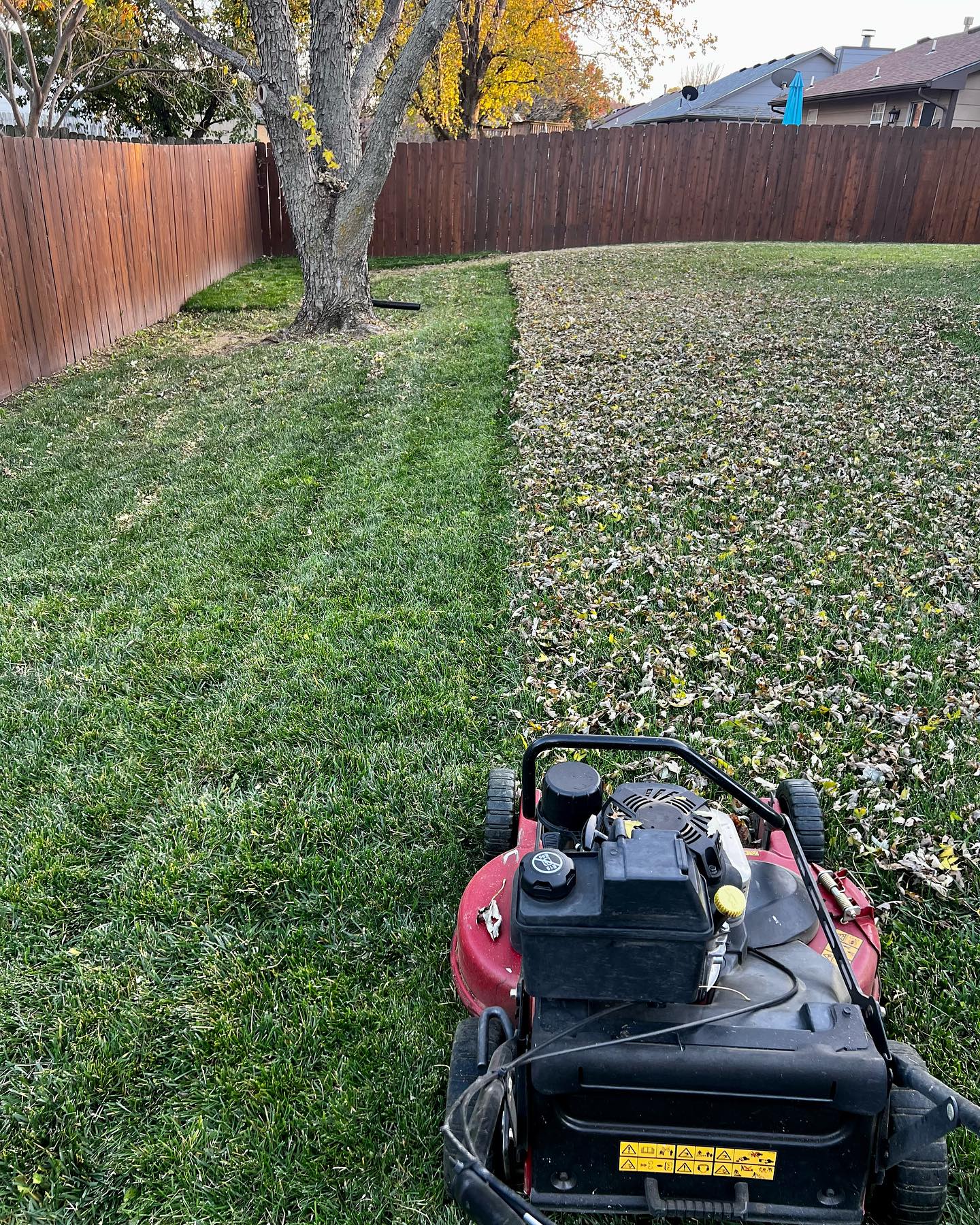
As fall transitions into winter, perennials begin to prepare for dormancy. This is the perfect time to trim back dead or diseased branches to prevent damage from ice and snow. Raking leaves not only keeps the lawn looking tidy but also prevents them from smothering your grass. Compost these leaves to enrich your soil in preparation for spring. Installing mulch around the base of your plants can also add a layer of insulation, protecting roots from temperature fluctuations.
In spring, as temperatures rise, your garden will start to wake up. This is an excellent opportunity to focus on planting. Introduce hardy annuals and perennials that thrive in your specific climate zone. Consider staggered planting dates to enjoy continuous blooms throughout the season. Think about using native plants, which are more likely to withstand local pests and diseases, thereby enhancing your garden's sustainability.
Summer's heat can be harsh on your landscape. To maintain lush green lawns and vibrant plantings, implement a consistent watering schedule. Early morning is the best time for watering as it minimizes evaporation and gives plants time to absorb moisture before the midday heat. Additionally, consider installing drought-tolerant plants to reduce water consumption and add structural diversity to your garden design.
During the seasonal transition from summer to fall, it’s time to focus on lawn care. Aeration can improve soil drainage and root growth, while fall fertilization prepares your lawn for the dormancy of winter. Planting fall vegetables or winter cover crops can replenish nutrients and improve soil health for the next growing season.
As you can see, strategic landscaping involves thoughtful planning and timely interventions. By understanding your landscape’s needs and adapting your care routine to match the seasons, you create a resilient and dynamic garden environment. At Macy Mowing, we believe a little foresight goes a long way in crafting outdoor spaces that are beautiful and thriving in every season. Let our expertise guide you through these transitions, ensuring your landscape remains a vibrant, lush paradise year-round.
/filters:no_upscale()/filters:format(webp)/media/c303aedc-f5cc-4f96-8732-f8a711f5c754.jpg)
/filters:no_upscale()/filters:format(webp)/media/a7360a9c-e7ea-4765-b3c7-82f64d4cffec.jpeg)